Artificial Intelligence is no longer just a futuristic concept—it’s already shaping how we work, live, and think. From chatbots to automation tools, AI is transforming industries at a rapid pace. This naturally raises one big question: will AI replace jobs, or is it actually creating more opportunities?
The answer isn’t as simple as yes or no. The reality lies somewhere in between. While some roles are being automated, new job opportunities are also emerging. Understanding the future of jobs in AI is essential for anyone planning their career in today’s world.
Understanding the Impact of jobs in AI
AI is designed to automate repetitive tasks, analyze large datasets, and improve efficiency. This means jobs that involve routine work are more likely to be affected.
However, this doesn’t necessarily mean unemployment will rise dramatically. Instead, the nature of jobs is changing.So when people ask, will AI replace jobs, what they really need to ask is: which jobs will change, and how can we adapt?
Jobs That AI is Likely to Replace
Some roles are more vulnerable to automation because they involve repetitive and predictable tasks.
Examples:
- Data entry operators
- Telemarketing roles
- Basic customer support
- Manufacturing line workers
Table: Jobs at Risk Due to AI
| Job Role | Reason for Automation | AI Impact Level |
| Data Entry | Repetitive tasks | High |
| Telemarketing | Script-based communication | High |
| Customer Support | Basic query handling | Medium-High |
| Accounting (basic) | Rule-based calculations | Medium |
These examples often fuel the fear behind the question: will AI replace jobs completely?
Jobs That AI is Creating
While some jobs are declining, many new roles are emerging thanks to AI.
Examples:
- AI Engineer
- Data Scientist
- Machine Learning Specialist
- AI Ethics Consultant
- Automation Specialist
Table: Emerging Jobs in AI
| Job Role | Skills Required | Growth Potential |
| Data Scientist | Python, ML, Statistics | Very High |
| AI Engineer | AI frameworks, coding | Very High |
| AI Product Manager | Strategy, communication | High |
| AI Ethics Specialist | Policy, critical thinking | Growing |
This clearly shows that while people worry will AI replace jobs, it is also opening doors to new career paths.
The Real Truth: Transformation, Not Replacement
The biggest misconception is that AI will completely replace humans. In reality, AI is more about collaboration than replacement.
For example:
- Doctors use AI for diagnosis but still make final decisions
- Marketers use AI tools for data analysis but create strategies themselves
- Developers use AI for coding assistance but guide the process
So instead of asking only will AI replace jobs, we should also focus on how AI is enhancing human capabilities.
Future of Jobs in AI
The future of jobs in AI looks promising, but it requires adaptation. New roles will demand a mix of technical and soft skills.
Key Trends:
- Increased demand for tech skills
- Growth in AI-related roles
- Importance of creativity and critical thinking
- Rise of hybrid job roles
The future of jobs in AI is not about machines taking over—it’s about humans evolving alongside technology.
Skills You Need to Stay Relevant
To stay competitive in a world where people ask will AI replace jobs, you need to develop future-ready skills.
Essential Skills:
- Digital literacy
- Data analysis
- Problem-solving
- Communication
- Adaptability
These skills will help you thrive in the future of jobs in AI.
Industries Most Affected by AI
AI is impacting almost every industry, but some are more affected than others.
Table: Industry Impact
| Industry | AI Impact Level | Key Changes |
| Healthcare | High | AI-assisted diagnosis |
| Finance | High | Fraud detection, automation |
| Retail | Medium-High | Personalized recommendations |
| Education | Growing | AI-based learning tools |
This transformation again raises the question: will AI replace jobs, or simply redefine them?
How to Prepare for the AI Era
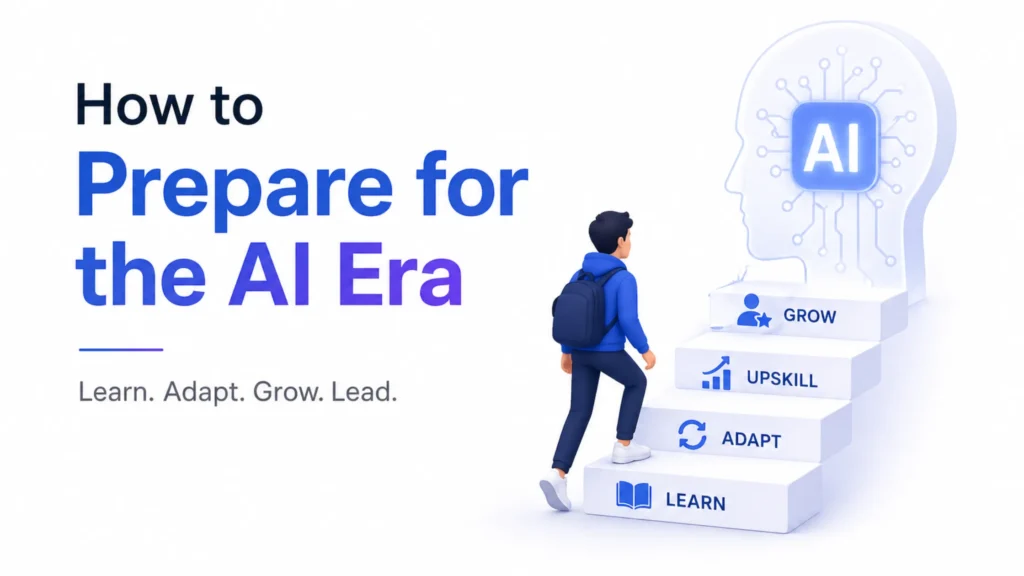
Instead of fearing AI, it’s better to prepare for it.
Steps to Take:
- Learn new skills regularly
- Stay updated with technology trends
- Take online courses in AI and data science
- Focus on creativity and problem-solving
If you want to build a career aligned with the future of jobs in AI and stay ahead in this evolving landscape, explore our courses here: CognitiaX AI
Our platform helps you gain practical skills and understand whether will AI replace jobs or create better opportunities for you.
A Real-World Perspective
Many companies are already using AI to improve efficiency, not to eliminate employees. In fact, AI often reduces workload and allows employees to focus on more meaningful tasks.
To be honest, sometimes people panic too quickly thinking machines will take over everything, but thats not how things usually work in real life.
Benefits of AI in the Job Market
AI is not just a threat—it also brings many advantages.
- Increased productivity
- Better decision-making
- Creation of new job roles
- Improved work-life balance
These benefits highlight that the debate around will AI replace jobs is more balanced than it seems.
Challenges of AI in Employment
Of course, AI also brings challenges:
- Job displacement in some sectors
- Skill gaps
- Need for continuous learning
Understanding these challenges is key to navigating the future of jobs in AI.
FAQs
1. Will AI replace jobs completely?
No, AI will transform jobs rather than completely replace them.
2. Which jobs are most at risk?
Jobs involving repetitive tasks are more likely to be automated.
3. What is the future of jobs in AI?
The future of jobs in AI includes new roles, higher demand for skills, and more collaboration between humans and machines.
4. How can I prepare for AI-driven careers?
You can learn relevant skills, stay updated, and take professional courses.
5. Is AI a threat or an opportunity?
It is both, depending on how you adapt to it.
Conclusion
So, will AI replace jobs? The honest answer is—partially, but not entirely.
AI will replace certain tasks, not entire professions. At the same time, it will create new roles, improve productivity, and open up opportunities we couldn’t imagine before.
The key is to adapt, learn, and evolve. The future of jobs in AI belongs to those who are ready to embrace change and grow with technology.
Instead of fearing AI, use it as a tool to build a smarter, stronger, and more successful career.